One dog produces a manageable amount of waste. Two dogs more than double it, because they feed off each other’s activity and mark more often. Three or more, and a yard that looked spotless on Sunday can be a minefield by Wednesday. Multi-dog households live in a different reality when it comes to cleanup, and the casual habits that work for a single pet fall apart fast at scale.
The solution is not to work harder. It is to run a system. Owners with packs of dogs who keep clean yards are not more diligent than everyone else, they are more organized. This article lays out how to handle the volume, the logistics, and the health considerations that come with sharing your space with multiple dogs.
The Volume Problem Nobody Warns You About
A large dog can produce upwards of half a pound of waste a day. Multiply that across a pack and you are dealing with several pounds a week that has to be collected, contained, and hauled off. This is not a job you can do with a fistful of grocery bags. The sheer quantity changes what tools and containment you need, and it punishes any gap in the routine harshly.
The first mental shift is accepting that this is real yard work, not an afterthought. Once you plan for the volume instead of being surprised by it, everything downstream gets easier.
Build a Zone System
Trying to police an entire yard for multiple dogs is exhausting. A smarter approach is to train the pack toward a designated relief area, usually a gravel or mulched corner away from where people gather. Concentrating the activity means concentrating the cleanup, so instead of crisscrossing the whole property you clear one defined zone.
It takes patience to establish, especially with dogs that already have their own habits, but the payoff is enormous. A single well-maintained zone is far easier to keep sanitary than a whole lawn dotted with surprises.
Cleanup Cadence for Packs
Single-dog owners can sometimes stretch to every other day. Multi-dog homes really cannot. Daily is the floor, and twice daily during warm months is better, because heat accelerates odor and breakdown while the volume keeps climbing. Skipping even one day in a three-dog yard leaves you with a job that now takes three times as long and smells twice as bad.
Tie it to an existing routine. Many owners do a sweep every morning while coffee brews and a second quick pass in the evening. Anchoring the task to something you already do every day is the trick that keeps it from slipping.
Gear That Handles the Load
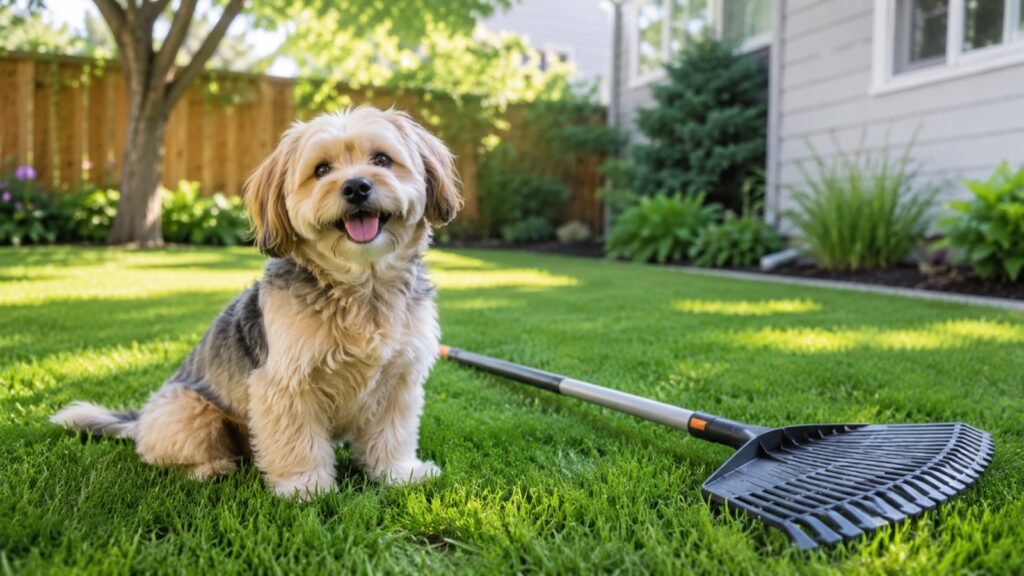
Volume demands capacity. A tiny scooper meant for a single small dog will have you making trips back and forth to the bin constantly. You want a wide-mouth tool with a sturdy build and a long handle so you can clear multiple deposits per trip without bending. If your current setup is not keeping up, it is worth looking for a Pooper scooper near me that is rated for heavier, more frequent use.
Containment scales too. The bags that suffice for a single walk will not hold a full multi-dog collection. Sturdy, high-capacity heavy duty bags mean you can gather everything in one pass and seal it without tearing or double-handling.
Health Risks Multiply Too
More dogs means a higher parasite and bacteria load in a shared space, and it means the dogs can continuously reinfect one another. A single dog that picks up worms will spread eggs into the yard, and the rest of the pack tracks through it. Deworming one animal while leaving a contaminated yard is a losing battle, since the survivors just get reinfected from the ground.
This is why prompt, thorough removal matters even more in multi-dog homes than in single-pet ones. The cleanup is not just cosmetic, it is the thing that breaks the reinfection cycle and keeps your vet bills from stacking up across every animal you own.
Disposal Logistics
Several pounds of waste a week needs a real disposal plan. A dedicated outdoor bin with a tight, animal-proof lid keeps odor contained between trash days and stops the dogs or local wildlife from getting into it. Line it well and empty it on schedule. In hot climates you may want to seal collected bags individually before they go in the bin to keep smell down.
Do not let waste accumulate in the yard as a stopgap, and never compost it in a home garden pile. The volume from multiple dogs makes both of those shortcuts turn ugly quickly.
When to Bring in Help
There is no shame in outsourcing a job this size. For many multi-dog households, a scheduled service is the difference between a usable yard and a permanent mess, especially for owners juggling work, kids, and a demanding pack. Bringing in trusted professionals for regular sanitation takes the single most tedious chore off your plate entirely.
Even a weekly professional visit combined with light daily upkeep on your end can keep a three or four dog yard genuinely clean. Match the level of help to the level of volume you are actually dealing with.
Key Takeaways
- Multiple dogs produce several pounds of waste weekly, which changes the tools and plan you need.
- Train the pack toward a designated relief zone to concentrate and simplify cleanup.
- Daily cleanup is the minimum, with twice-daily passes during warm months.
- Use wide-mouth tools and high-capacity bags built for volume, not single-walk gear.
- Thorough removal breaks the parasite reinfection cycle that spreads between dogs.
Running a Clean Yard at Scale
A house full of dogs can absolutely have a clean, healthy yard, but it happens by design, not by luck. Plan for the volume, concentrate the mess into a manageable zone, stay ahead of it with a daily cadence, and use gear and disposal built for the load. Bring in help when the numbers justify it. Do those things and the joy of a multi-dog household comes without the constant battle against the yard, leaving you more time for the part you actually signed up for.