Solar Power for Shops in Pakistan: A 2026 Small-Business Guide
Rising electricity tariffs and constant load shedding hit small businesses hard, which is why solar power for shops in Pakistan has moved from a nice-to-have to a serious survival strategy in 2026. A shop that loses power loses sales, spoils stock, and frustrates customers. A well-designed solar system keeps your lights, fridges, POS terminals, and fans running while cutting your monthly bill. This guide shows shopkeepers and small-business owners exactly how to make solar work for them.
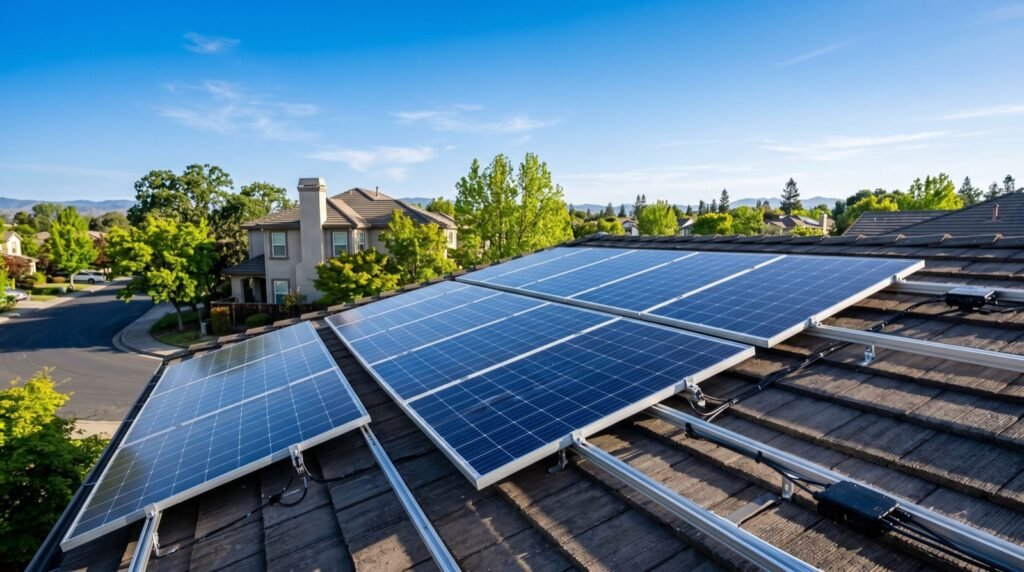
Unlike a home, a shop has predictable daytime operating hours, which is ideal for solar because most of your energy use overlaps with peak sunlight. Investing in a professional solar installation lets you capture that overlap and protect your daily trade from outages.
Why Solar Makes Extra Sense for Shops
Shops are almost perfectly suited to solar because their busiest hours match the sun’s peak output. A retail store, pharmacy, or restaurant running from morning to evening consumes most of its electricity precisely when panels produce the most. That alignment means a larger share of your solar energy is used directly, delivering faster savings than a typical home.
The benefits stack up quickly:
- Lower running costs as you replace expensive grid units with free daytime solar.
- Protected sales because backup keeps you open during load shedding.
- Stock safety for shops with fridges, freezers, or perishable goods.
- Predictable budgeting once a large chunk of your energy is self-generated.
- Better customer experience with cool, well-lit, uninterrupted service.
What Size System Does a Shop Need?
Shop sizing depends on your equipment and hours. A small retail counter uses far less than a restaurant with cold storage and cooking appliances. Start by listing your commercial loads and the hours they run.
| Business Type | Typical Loads | Common System Size |
|---|---|---|
| Small retail shop | Lights, fans, POS, small fridge | 2–3 kW |
| Pharmacy / grocery | Fridges, freezers, lights, AC | 5–8 kW |
| Restaurant / cafe | Cold storage, fans, lights, appliances | 8–15 kW |
| Workshop / service center | Tools, lights, machinery | 10 kW+ |
These are starting ranges. A proper load assessment gives you an exact figure, but the table helps you set expectations before you request a quote. Remember that summer demand is usually the peak because cooling loads climb, so size your system around your hottest, busiest months rather than a quiet winter average. Under-sizing to save on the upfront cost simply pushes you back onto the expensive grid during your busiest trading hours, which defeats the purpose of going solar in the first place.
On-Grid, Hybrid, or Backup? Choosing the Right Setup
The right system depends on whether uptime during outages is critical to your trade.
On-Grid for Pure Savings
If your area rarely faces long outages and you want the cheapest path to lower bills, an on-grid system with net metering exports surplus daytime power. The downside is no backup during load shedding.
Hybrid for Uptime
Most shops that cannot afford downtime choose a hybrid setup. It powers the shop, charges a battery, and switches to stored energy the instant the grid drops. For a pharmacy protecting refrigerated medicine or a restaurant protecting frozen stock, this reliability pays for itself. Choosing a quality hybrid inverter in Pakistan is the core of a dependable shop system.
Calculating Your Return on Investment
For a business, solar is an investment with a measurable payback. To estimate yours, compare your annual grid spend against the system cost and expected savings.
- Find your annual electricity spend from twelve months of bills.
- Estimate solar offset, often 60–90% of daytime use for a well-sized shop system.
- Divide system cost by annual savings to get a rough payback period.
Many commercial systems in Pakistan reach payback within a few years thanks to high tariffs and strong daytime alignment. After that, the energy is effectively free for the remaining life of the panels. The International Renewable Energy Agency reports that solar costs have fallen dramatically over the past decade, strengthening the case for commercial adoption.
Practical Tips for Shopkeepers Going Solar
Draw on lessons from businesses that have already made the switch:
- Prioritise critical loads such as fridges and POS systems in your backup design.
- Choose genuine, warrantied equipment to avoid downtime from cheap failures.
- Plan roof access so panels can be cleaned regularly for peak output.
- Get a professional install to protect safety, insurance, and warranties.
- Keep records of production so you can verify your savings over time.
Partnering with reputable reputable service experts ensures your commercial system is designed for your specific trade rather than a generic template.
Frequently Asked Questions
Is solar worth it for a small shop in Pakistan?
Yes, especially because a shop’s daytime hours align with peak solar production, so a large share of your energy is used directly. With high grid tariffs, many shops recover their investment within a few years and then enjoy years of low-cost power and protection against outages.
Will solar keep my shop running during load shedding?
Only if you choose a hybrid or off-grid system with battery backup. An on-grid system shuts off during outages for safety. For businesses that cannot afford downtime, a hybrid setup that switches to stored power automatically is the right choice.
How much roof space does a shop solar system need?
As a rough guide, each kilowatt of panels needs roughly 60 to 80 square feet of unshaded roof. A 5 kW system therefore needs around 300 to 400 square feet. A site survey confirms whether your roof can accommodate your target system size.
Can I expand my shop’s solar system later?
Yes, particularly if you start with a hybrid inverter sized with some headroom. As your business grows or you add equipment, you can add panels or battery capacity. Planning for expansion at the design stage makes future upgrades cheaper and simpler.
Conclusion
Solar power for shops in Pakistan is one of the strongest business investments available in 2026. Your daytime operating hours align beautifully with solar production, delivering fast savings, while a hybrid system protects your sales and stock through every outage. Start by assessing your loads, choose genuine equipment and the right inverter type, and calculate your payback so you can budget with confidence. Work with an experienced local solar provider to design a commercial system tailored to your shop, and turn unreliable, costly grid power into a competitive advantage.